In today’s fast‑evolving job market, professionals often find themselves asking: “What matters more for career growth, soft skills or hard skills?” While both are essential, data and industry trends reveal surprising insights about how each contributes to success over the long term. In this article, we’ll break down definitions, real data, common challenges, and how Skill Nova can help you strike the right balance.
What Are Hard Skills and Soft Skills?
Hard Skills
Hard skills are technical, teachable abilities you gain through education, formal training, or practice. These include abilities like coding, data analysis, software proficiency, accounting, or machine operation. They’re often easy to quantify and are usually listed on a resume or certification.
Soft Skills
Soft skills refer to interpersonal and behavioral traits that shape how you work with others and adapt to environments. Examples include communication, teamwork, leadership, adaptability, emotional intelligence, and problem‑solving. These are harder to measure but crucial in how you interact and influence outcomes at work.
Why Employers Care About Both — But Especially Soft Skills
1. Soft Skills are Increasingly Valued
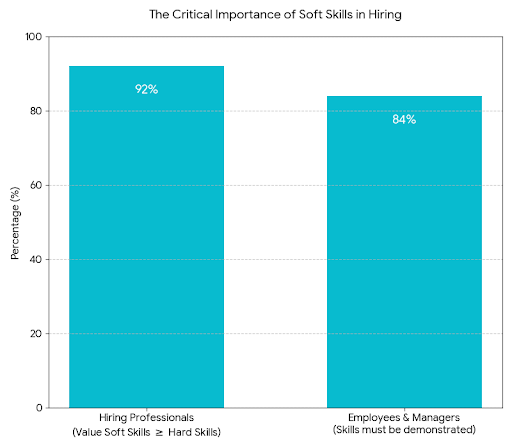
Recent research highlights that soft skills aren’t just “nice to have” — they’re critical. Studies show that 92% of hiring professionals value soft skills as much or more than hard skills when evaluating candidates.
Furthermore, 84% of employees and managers agree that new hires must demonstrate soft skills during hiring, underlining that interpersonal competencies play a major role in decisions even before someone starts a job.
2. They Help in Teamwork and Leadership
Soft skills like communication, empathy, and problem‑solving aren’t easily replaced by automation or artificial intelligence and are essential in almost every professional role. As workplaces become collaborative and team‑oriented, these skills help individuals work effectively across functions.
3. Hard Skills Get You In — Soft Skills Help You Thrive
It’s a common career observation that hard skills help you land a job interview, but soft skills often determine whether you get hired and how fast you progress after that. Employers are increasingly looking for professionals who can navigate relationships, adapt to change, and lead projects — all areas where soft skills dominate.
How Skills Shape Career Growth
Career Entry
At the early stages of your professional journey, hard skills are crucial. For example, a data analyst needs proficiency in tools like SQL or Python. Without these technical skills, you may struggle to even meet job requirements.
Career Advancement
Once inside an organization, soft skills become a differentiator. Effective communicators get noticed, leaders are made from those who can inspire teams, and professionals with strong adaptability thrive through change, especially important as roles evolve.
Leadership Positions
As you climb the ladder, hard skills become less relevant compared to your ability to lead, influence, and strategize. Research suggests that leadership roles often go to those who excel in soft skills such as emotional intelligence, negotiation, and decision‑making.

Common Challenges Professionals Face
1. Over‑emphasis on Technical Skills
Many learners treat hard skills as the sole measure of career readiness. While technical ability is foundational, ignoring soft skills can prevent you from securing leadership roles or managing teams effectively.
📌 Problem: You may know technical tools thoroughly but get overlooked for promotions due to weak communication or teamwork.
2. Difficulty Developing Soft Skills
Soft skills are not learned overnight — they often require practice, feedback, and reflection.
📌 Problem: Unlike technical skills that have clear courses and certifications, soft skills are subjective and harder to practice in isolation.
3. Balancing Skill Growth
Professionals may struggle to know where to invest time: technical training or soft skill development.
📌 Problem: Too much focus on one area can leave gaps in overall professional effectiveness.

How Skill Nova Provides Solutions
Skill Nova empowers learners and professionals to build both soft and hard skills strategically:
1. Personalized Learning Pathways
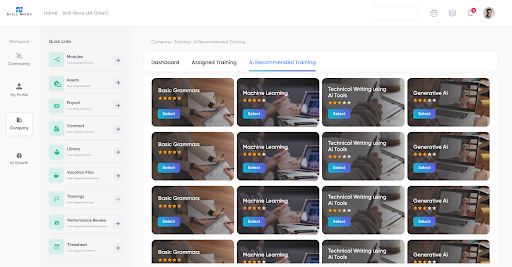
Skill Nova designs learning pathways based on your current skills and career goals — blending hard technical skills with essential soft skills such as communication, leadership, and problem‑solving.
This ensures you’re not just technically capable but also workplace ready.
2. Real‑World Skill Application
Skill Nova focuses on practical learning methods — simulations, role‑plays, and real‑life scenarios — enabling you to practice soft skills in contexts that mirror actual work environments.
3. Progress Tracking and Feedback
One of the biggest barriers to developing soft skills is the lack of real‑time feedback. Skill Nova includes tools that help track performance over time and offer guided feedback — helping you improve continuously.
4. Integrated HR Tools for Teams
For businesses and HR leaders, Skill Nova’s platform helps assess team skill gaps and tailor training programs that foster both hard and soft skill growth across the organization.
Real Facts & Trends
- LinkedIn data shows that 92% of companies value soft skills as important or more important than hard skills.
- 84% of managers and employees believe soft skills must be demonstrated in hiring.
- Demand for soft skills continues to grow as workplaces become more collaborative and digitally interconnected.
These trends indicate that while technical skills qualify you for roles, your long‑term growth and adaptability depend equally, if not more, on your soft skills.
Final Thoughts
In the soft skills vs hard skills debate, neither side wins alone. Hard skills open doors, soft skills help you stay in the room, lead others, and grow long‑term.
As workplaces evolve, especially with automation and hybrid work settings, professionals who can blend technical capability with strong interpersonal traits are the ones most likely to thrive.
Building both isn’t just an advantage, it’s becoming a necessity for sustainable career growth. And platforms like Skill Nova can help you build that balanced skill set effectively.
FAQs: Soft Skills vs Hard Skills
Q1: Can you grow your career with only hard skills?
A: Rarely. Hard skills might get your foot in the door, but career progression often depends on your interpersonal abilities, adaptability, and leadership traits. Employers increasingly prioritize the combination of both.
Q2: Can soft skills replace hard skills?
A: No. Soft skills enhance your effectiveness, but hard skills are still essential to perform specific job tasks. A balanced blend offers the strongest foundation for growth.
Q3: Which skills are most in demand in 2026?
A: Trends show that communication, adaptability, critical thinking, emotional intelligence, and digital literacy are among the top skills employers seek across industries.
Q4: How long does it take to develop soft skills?
A: Time varies by skill and individual. Some, like active listening or time management, can improve with self‑practice quickly. Others, like leadership or conflict resolution, require sustained effort and real‑world practice.
Q5: Is Skill Nova good for career growth?
A: Yes — Skill Nova helps bridge the gap between technical mastery and interpersonal effectiveness by offering structured pathways, practical exercises, and continuous feedback to support both dimensions of professional development.